
On this page
The short version: where you find retail buyers depends entirely on your stage. If your product is validated — real people have tried it, it’s selling, you know your go-to-market — you’ve earned a shot at the big chains. If you’re earlier than that, the fastest first shelves are independent stores and lifestyle channels: indie grocers, gyms, spas, cafés. Either way, finding a buyer’s name is the easy part. Reaching the real decision-maker and getting a reply is the hard part — and it’s where most brands quietly stall.
Search “how to find retail buyers” and you’ll get the same eight-item listicle every time: LinkedIn, trade shows, cold email, a PR agency, repeat. All true, all fine — and all skipping the two questions that actually decide whether any of it works: are you even ready, and which door are you knocking on?
Get those wrong and the tactics don’t matter. You can have the best cold-email sequence on earth and still bounce off a Costco category manager who was never going to look at a brand with no velocity data. So before you hunt down a single contact, start here.
First: are you actually ready for buyers?
Before you go looking for buyers, get honest — because the cleanest line we’ve heard on this cuts straight to it:
“Retail ready is not distribution ready. Buyer interest proves the product has a shot. Distribution readiness proves the company can survive the shot.”
Answer these honestly:
- Is the product validated? Not “my friends like it” — do strangers repurchase?
- Have enough people actually tried it? Reviews, samples out in the wild, honest feedback.
- Have you found your go-to-market product? The SKU and audience that clearly click, not all six flavours at once.
- Do you already have sales? Some sell-through, somewhere, that you can point to.
If the answer to all four is yes, congratulations — your problem changes shape entirely. It’s no longer “can I get a buyer to care,” it’s how much: how much volume, how much demand, how fast can you supply it. That’s a good problem, and it opens the chain door.
If the answer is not yet— keep reading, because you’re about to save yourself a quarter of wasted pitching.
Two very different doors
“Retail buyers” isn’t one group. There are two, and they behave nothing alike:
- The big chains — Walmart, Costco, Target, Whole Foods, the regional grocers. Category managers, category reviews, distributors, slotting fees. High ceiling, high bar.
- Independent & lifestyle retail — indie grocers, gyms, spas, cafés, wellness shops, boutiques. The owner is the buyer. Fast decisions, small orders, and a market so long-tailed almost nobody works it properly.
Which door you knock on is decided by the readiness check above. So let’s take them one at a time — big chains first, since that’s where everyone wants to start (and where most early brands shouldn’t).
Path A: The big chains (Walmart, Costco & co.)
Here’s the honest version nobody puts in a listicle: if you don’t already have velocity, going straight at the big chains is mostly spray and pray. Chain buyers care about one thing above all — products that are unique and already moving off the shelf. Their signal for “moving off the shelf” is sales volume. No volume, no story, no meeting.
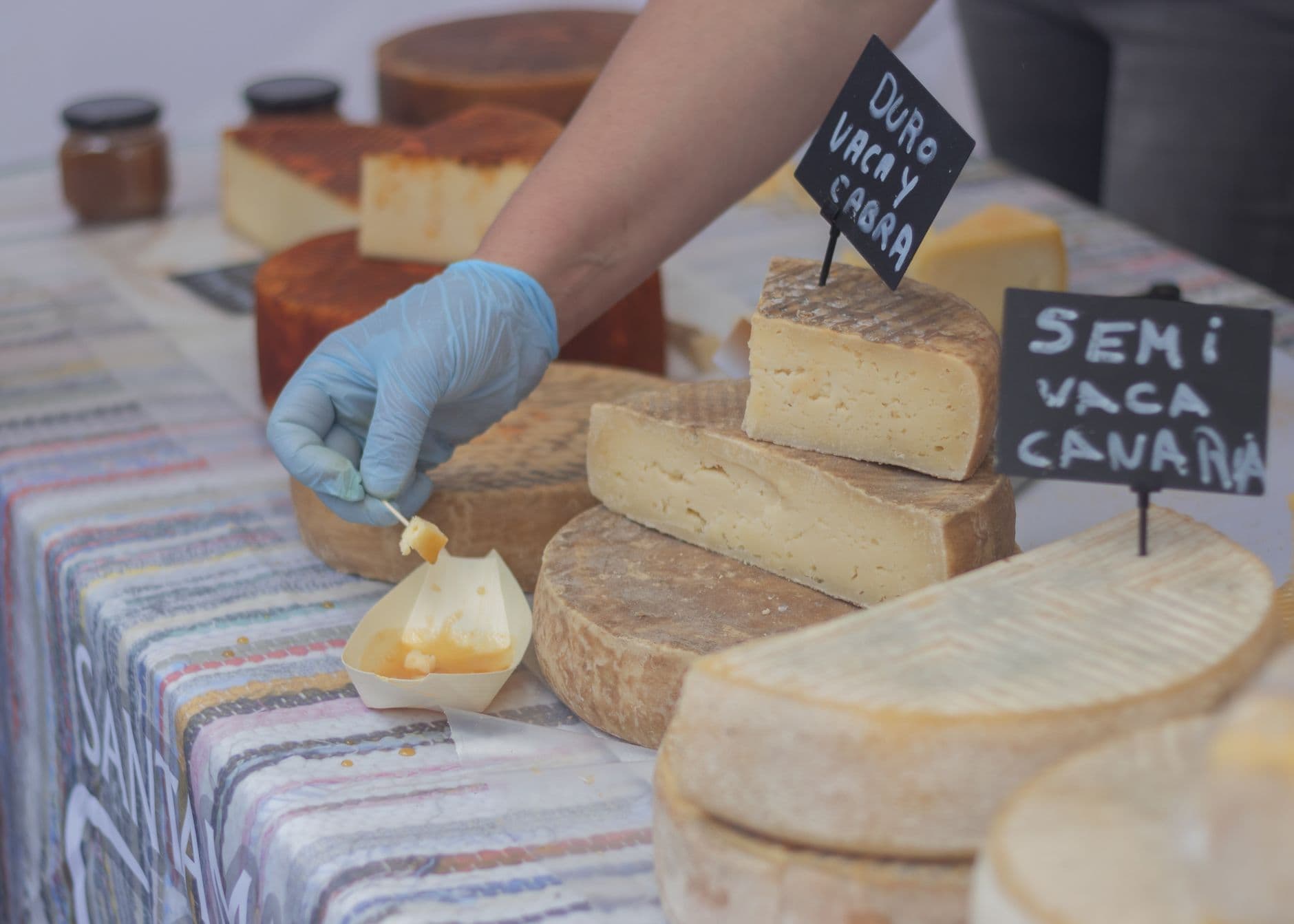
You can still take a crack at it — you just have to earn the look. The highest-leverage way in isn’t a cold email to a category manager; it’s showing up in person. Exhibit at trade shows, put up a stall, get in front of the big distributors who actually supply these retailers at the events they run. Attend as many as you can stomach. Startup CPG runs a lot of these offline events you can apply to and exhibit at — a genuinely good on-ramp for emerging brands.
And a veteran of the show circuit will tell you the real work happens after the lanyard comes off:
“A lot of trade shows is the follow-up more than the presentation.”
The booth gets you the card. The five follow-ups get you the order.
You’ll also hear “just list on Faire or submit through RangeMe.” Worth doing — a lot of chain and grocery buyers source through RangeMe, and Faire is where independent boutiques actually order. But go in clear-eyed on two things. First, RangeMe’s pay-to-pitch model isn’t beloved; more than one founder has grumbled about paying around $500 for the privilege of a buyer meeting. Second — and this is the big one — being listed is not the same as being ordered.
What we heard from 90+ brands on these platforms is remarkably consistent: the marketplace itself doesn’t bring the orders. Even fully listed, you have to create the demand off-platform — your own outreach, your own pitch — and then the buyer places the order through Faire. The marketplace is the ordering rail. The demand is still your job. (This is exactly where a tool that does the outreach earns its keep — more on that below.)
One more reality check, because the gatekeeping gets weird: the “done-for-you retail placement” packages that get pitched to new brands can be a money grab. As one founder noted after comparing notes, a $6,000 package looked absurd next to someone who was actually selected by Walmart and “only” paying $500. If you’re not ready, no package fixes that. Which brings us to the door most early brands should actually be knocking on.
Path B: Independent & lifestyle retail (the untapped half)
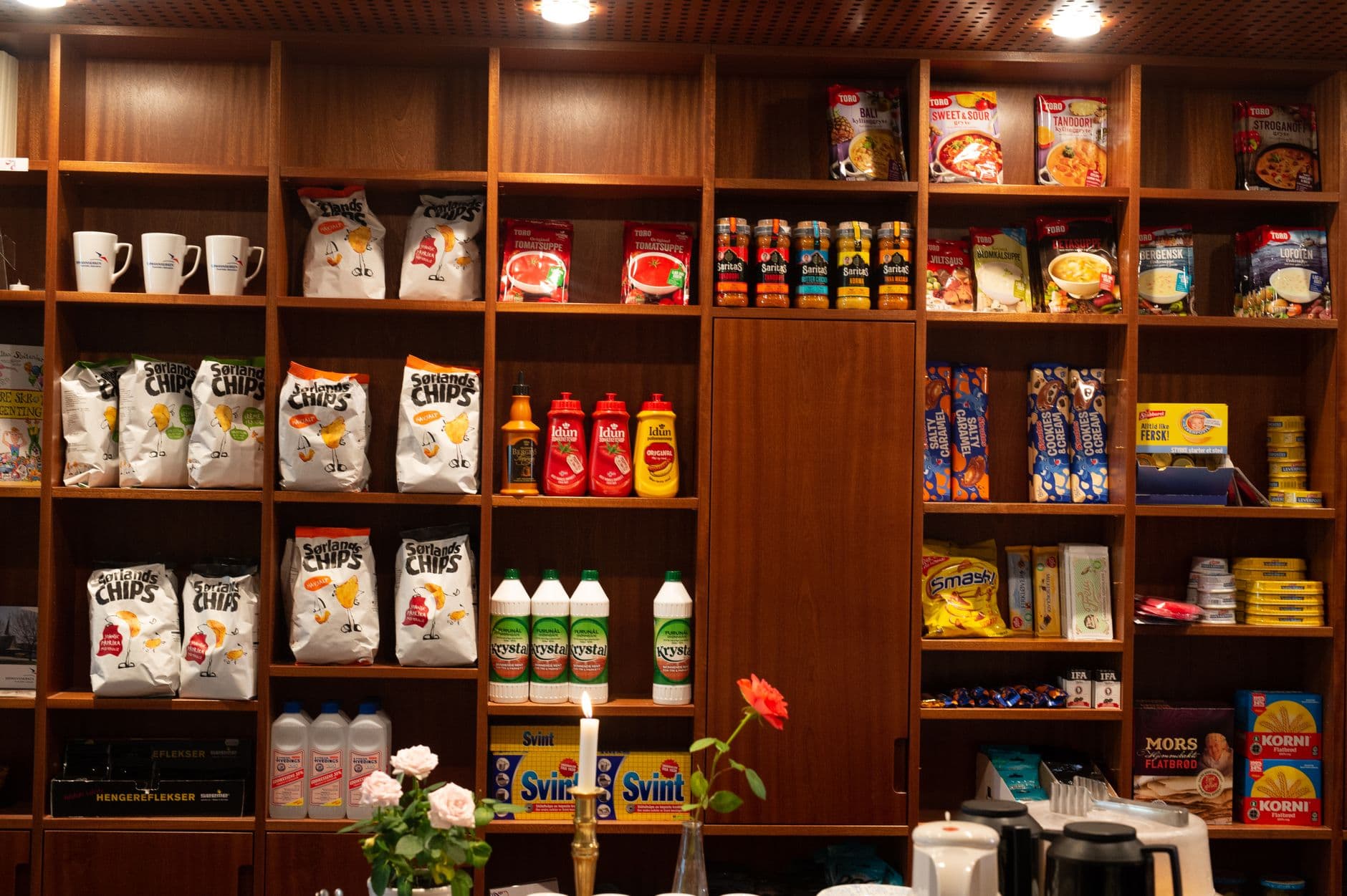
If you don’t have sales volume yet, and not enough people have tested the product — skip the big retailers for now. Put your energy into getting placed and tested in independent stores and lifestyle channels: indie grocers, boutique gyms, spas, wellness cafés, health shops. It’s an entire market sitting there, long-tailed and under-worked, waiting to be captured.
It’s also where the right early brands live. One founder’s Monday-morning recon of a buzzy new indie grocer nailed it — the store was, in his words, “a tribute to high-quality local brands that are too early and/or different to get looked at by the big chains.” That’s you, right now. And the founders who’ve raised recently keep repeating the same playbook: “I know a few college grads who started going door to door for regional mom & pop shops to make their initial sell. Get some sales, sell-through, interest signals — only then reach out to angels or funds.”
The good news: these buyers move fast and they’ll actually try an unproven brand. One two-person team put it best after a single in-store demo:
“It’s just me and my wife — we did one demo last weekend and sold out their whole inventory in three hours.”
You do not get that at Kroger.
So how do you actually get in? Two moves, and you’ll use both:
- Cold walk-ins. Literally walk in, ask for the owner, and leave a sample. It works — for the places you can physically get to and the hours you have in the day. (Every bootstrapped founder knows this life. One garage distiller cheerfully admitted the only thing she doesn’t do herself is ship, “or you’d see me driving around hand-delivering, lol.”)
- Email your pitch — at scale. For everywhere you can’t drive to, send a tight pitch with your catalogue and line sheet, then follow up persistently. The catch: doing this well, one personalized store at a time, across hundreds of shops, is a full-time job by itself.
That second move — personalized outreach at scale — is the one that quietly eats your entire week. It’s also the one software can genuinely take off your plate.
How to find the real decision-maker
Both paths share the same trap: emailing info@ and calling it outreach. That inbox goes to nobody who can say yes. You want a name.
- Independents: it’s the owner or store manager. LinkedIn, the store’s own “about” page, or just asking at the counter usually gets you there.
- Chains: it’s the category buyer for your specific aisle. Category-intel tools map exactly who owns your category by chain and region, and when their review window opens.
- Vendor portals: many retailers have a “sell to us” or supplier page — search the retailer’s name plus “vendor” or “supplier.”
Finding the name is the part everyone teaches. What comes next is the part that actually decides whether you get a meeting.
How to reach them so they actually reply
Three things do almost all the work here, and none of them are “send more emails.”
- Make it about their store. A line that proves you’ve been in the shop beats three paragraphs about you. Generic blasts read as generic and get deleted as generic.
- Follow up — more than feels comfortable. The first email rarely lands; buyers are busy, not uninterested. Politely persistent wins.
- Protect your sender reputation. Send from a warmed-up inbox at a human pace. Blast a bought list from a cold domain and you’ll torch your deliverability before you get a single reply.
That last one is quietly lethal. One founder killed his own deliverability with leftover DNS from an email tool he’d cancelled months earlier — his emails just stopped converting and he had no idea why. After he reset it, “the very next email did 17× the revenue to the exact same list.” Your platform will never surface that problem for you. Treat your domain like the asset it is.
Doing it at scale (without hiring an SDR)
Once you know the moves, the only question left is who does the grinding — the finding, the personalizing, the five follow-ups, times a few hundred stores. Your options, honestly:
| Route | What it does | You still… | Best for |
|---|---|---|---|
| Cold walk-ins | You show up and leave samples | do it store by store, in person | Local independents you can drive to |
| Buyer databases / lists | Hand you names + contacts | write and send every email yourself | Knowing who owns your category at the chains |
| Marketplaces (Faire, RangeMe) | Get you listed / discovered | create the demand that drives the order | Reach + wholesale ordering rails |
| Agentworks Scout | Finds fits + the real buyer, writes, sends, follows up, books | show up and close | Early brands going after independent retail |
Databases and marketplaces are useful — but notice they all leave the actual outreach to you. That’s the gap Agentworks Scout fills for independent retail: you drop your website and a city, and it finds the gyms, cafés, spas, and indie grocers that fit, tracks down the verified owner or buyer (never info@), writes each pitch in your voice, sends it, works the follow-ups, and books the meeting — with a CRM that fills itself in the background, so there’s no spreadsheet to babysit. Your first two meetings are free. If you want the full breakdown of tools in this space, we compared the retail outreach software here, and you can see how Scout runs the outreach in detail.
The bottom line
Finding retail buyers isn’t really a contacts problem — it’s a sequencing problem. Get honest about whether you’re ready. If you’re validated and moving product, earn the chain look through shows, distributors, and demand you create yourself — the marketplace won’t create it for you. If you’re earlier, go win independent and lifestyle shelves first; they’ll try you, they move fast, and the sell-through you build is the exact proof the chains will ask for later.
Either way, the finding-and-reaching grind is the same — and it’s the part Agentworks Scout was built to take off your plate. Your first two buyer meetings are free. No card, no setup, no catalog uploads — just your website and a city.
Agentworks builds AI agents for CPG brands. Its first product, Agentworks Scout, finds the independent retailers that fit a brand, reaches the real decision-maker, and runs the outreach autonomously — so founders spend their time closing, not prospecting. Learn more about Agentworks Scout.
Published July 23, 2026 · Last updated July 23, 2026