
On this page
The short version: “retail software” is two different jobs. If you’re trying to get onto shelves, you want retail outreach software — it finds the right stores, tracks down the actual buyer, and runs the pitch. If you’re already on shelves and need to manage reps, orders, and velocity data, that’s retail execution software — a different category entirely (Repsly, SimplyDepo, Salesforce). Most “best CPG software” lists mash the two together. This one doesn’t.
Within outreach, the four worth knowing differ by how much of the work they take off you: Agentworks Scout runs the whole loop and books the meeting on your calendar; Opener does the same with a human team, on commission; LaunchPal automates high-volume outbound; Overjoy gives you a CRM and AI assistance, but you still run the outreach yourself.
Our pick, and who it’s for: if you’re a solo or early founder going after independent retail — gyms, cafés, spas, indie grocers — we’d start with Agentworks Scout. It’s the one that does the finding, the writing, the sending and the following-up rather than handing you a list, it sends from your own inbox instead of a shared sending domain, and it’s the only one of those four you can start on without paying — your first two buyer meetings are on us. Scout is ours, and the rest of this piece says plainly where the others beat it.
Search “retail outreach software” and you’ll get a dozen listicles recommending shelf-audit apps to a founder who doesn’t have a single shelf yet. It’s a little like asking how to get a first date and being handed a marriage-counseling brochure.
Here’s the thing nobody says out loud: “retail software” is two completely different jobs wearing the same jacket. Buy for the wrong one and you’ll pay monthly for a very pretty answer to a question you didn’t ask.
First, figure out which job you’re actually doing
Getting in. Finding stores that fit, hunting down the buyer (not a generic info@ inbox), writing a pitch that doesn’t get ignored, and following up five times. This is the part that quietly eats your entire week when you’re a team of one wearing all the hats — founder, web developer, and, apparently, unpaid cold-email SDR.
Running the shelf. Once you’re in, keeping track of reps, orders, promotions, deductions, and velocity data across hundreds of doors so nothing slips.
You need exactly one of these right now — and buying the wrong one is how founders end up paying $600 a month for a dashboard that reports beautifully on the twelve stores they’re not in yet. So this list is split down the middle. Find your half.
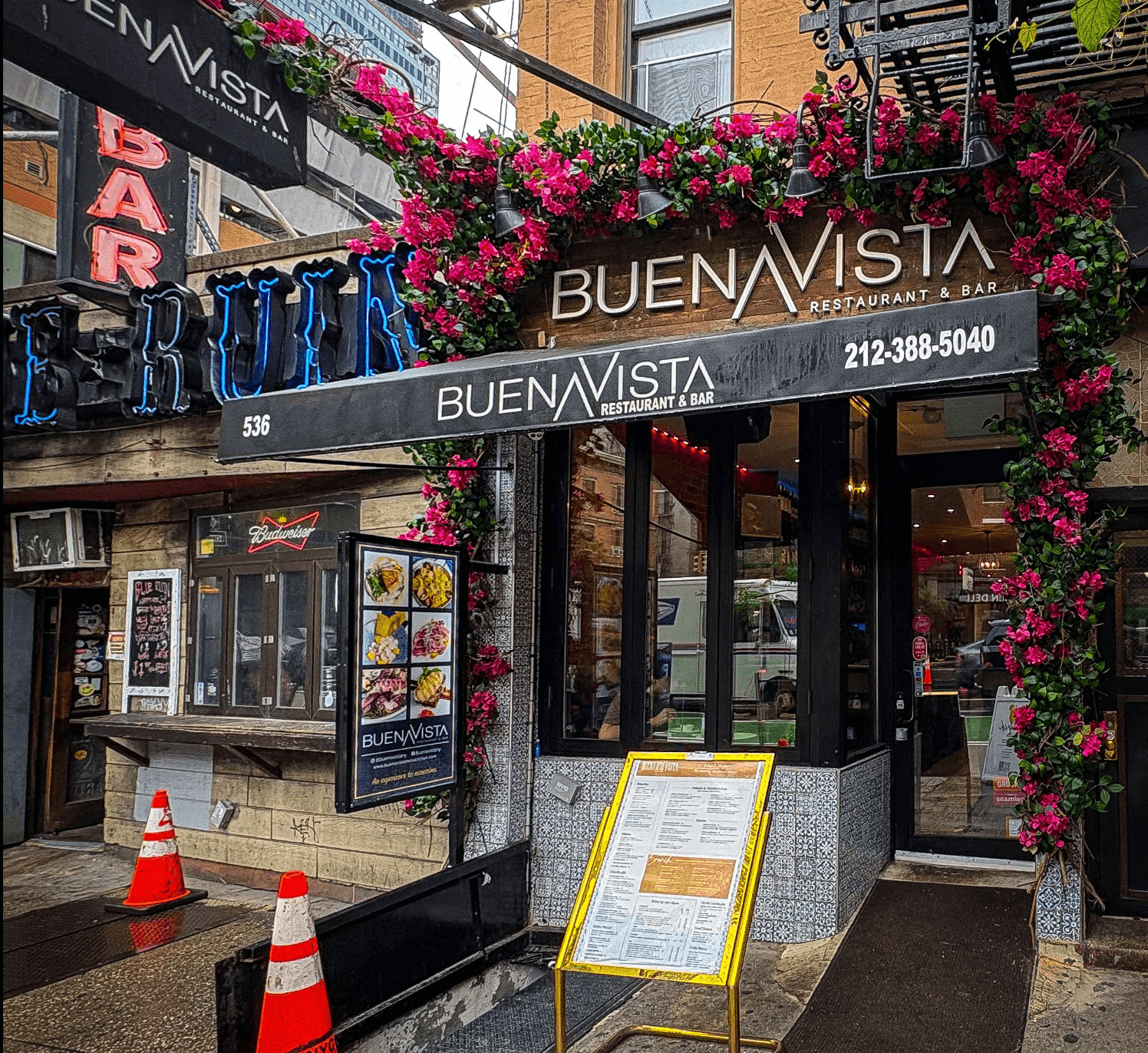
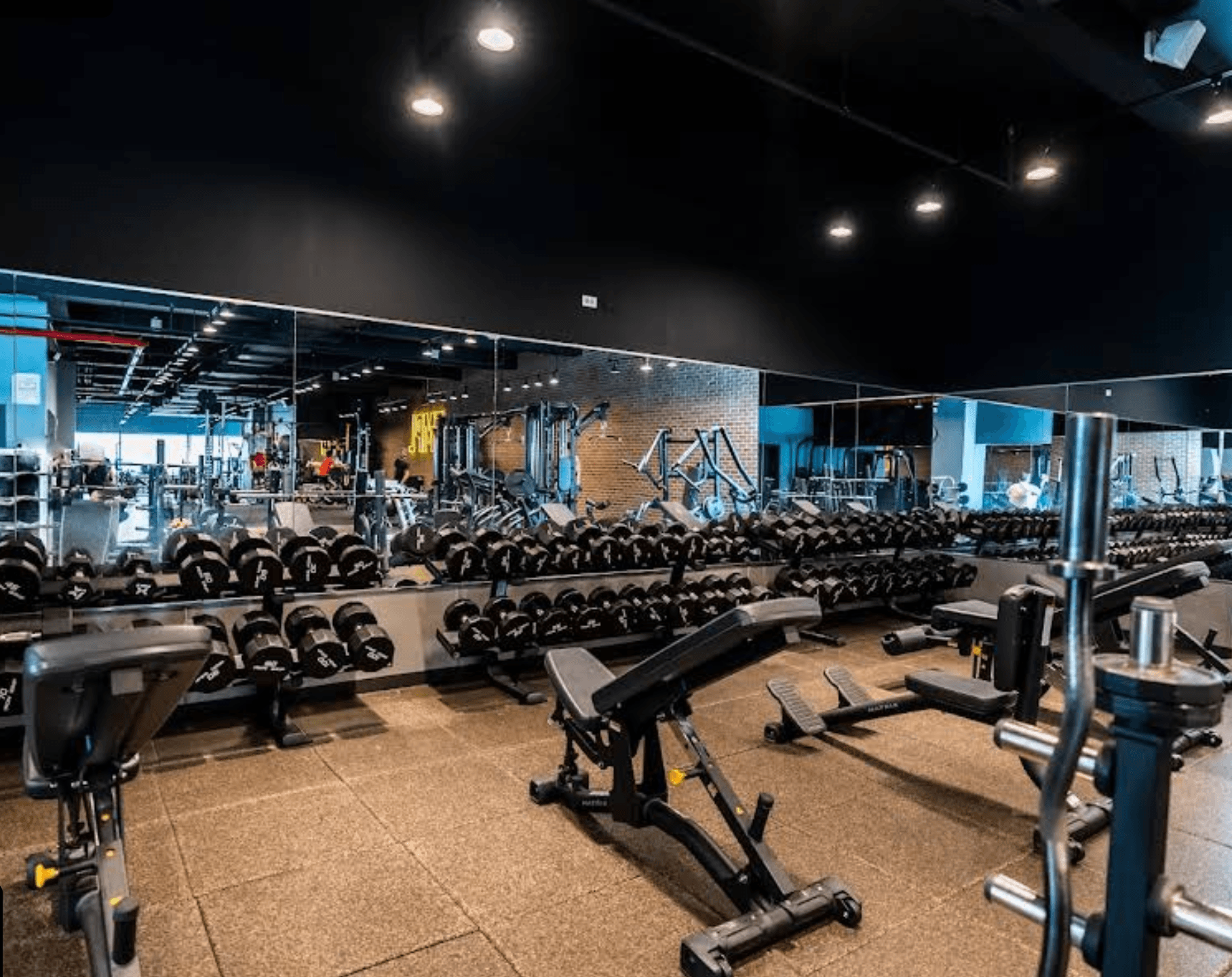

The independent long tail — where most first shelves are actually won.
How to choose (what actually matters)
Before you look at a single logo, get honest about five things:
- Does it do the work, or just organize it? A buyer database hands you a list and wishes you luck — you still write and send every email. That’s a filing cabinet, not a rep.
- Is it built for CPG, or a generic B2B tool in a CPG hat? Retail buying runs on category reviews, brokers, and slotting — a generic sales tool doesn’t know any of that.
- Does it fit your channel? A tool tuned for Kroger category managers is useless for your neighbourhood juice bar, and vice versa. Match the tool to the doors you actually want.
- What’s the pricing model? Subscription, commission, or pay-per-pitch. (Yes, some platforms charge you to submit to a buyer. That’s a real sentence that exists in this industry.)
- Will it protect your sender reputation? Cold email done carelessly can torch your domain. If a tool blasts a bought list from a cold domain, run.
How we picked
We didn’t rank by who paid us (nobody did) or by star ratings (gameable, and everyone knows it). We sorted every tool by the actual job it does, kept the ones real CPG founders reach for, and were honest about who each one is — and isn’t — for. And yes, one of these is ours: Agentworks Scout. It’s listed first because it’s the one we’d recommend for the independent long tail — the segment it was built for — and we’d rather say that plainly than bury it at number four and pretend we had no view. Where a different tool genuinely fits you better — chains, outsourced outbound, or a CRM you intend to run yourself — we name it, in the pick-by-situation section.
🚪 Get on the shelf: find buyers & run the outreach
If you don’t have distribution yet (or you’re expanding beyond a handful of local accounts), this is your half. These tools help you find the right stores, reach the person who can say yes, and actually run the outreach — with wildly different amounts of “done for you.”
1. Agentworks Scout
Best for: Solo and early founders going after independent retail
Agentworks Scout is an AI platform that runs the whole outreach motion autonomously — think of it as a full team of sales reps that never sleeps, never takes a long lunch, and doesn’t need onboarding. You drop your website and a city; Scout finds the independent gyms, cafés, spas, and indie grocers that fit your brand, scores them on real signals, tracks down the verified owner or buyer (never info@), writes each pitch in your voice, sends it, works the follow-ups, and books the meeting on your calendar. And there’s no spreadsheet to babysit: a full CRM is built in, and the Scout agent fills and updates it itself — every store, contact, reply, and next step logged in real time, without you touching a single cell. Your first two meetings are free. It’s built for the long tail of owner-run stores reps never bother with, so if you already have a field team and a standing call with a Kroger category manager, you can skip it. If you’re doing it all yourself, it quietly hands you back your week.
2. Overjoy
Best for: DIY founders who want a modern CRM, not a spreadsheet
Overjoy is an AI-assisted wholesale CRM with a big verified lead database. It surfaces owners and buyers, helps you write and sequence outreach, and tracks the pipeline — but you’re still the one driving. Think of it as replacing the messy stockist spreadsheet with something that actually helps. Great if you want control over every message and are happy to run the campaigns yourself. Overjoy alternatives, compared.
3. Opener
Best for: Brands that want to outsource outbound entirely
Opener leans the other way: AI agents plus a human team that run wholesale growth for you — finding lookalike stores, working your book, reviving dormant accounts. It’s the most hands-off option here, priced commission-first. Attractive if you’d rather not hire an SDR and can live with paying on performance. Opener alternatives, compared.
4. LaunchPal
Best for: High-volume outbound on autopilot
LaunchPal positions itself as a 24/7 automated SDR for CPG and FMCG: it finds retail buyers, personalizes outreach, and runs the follow-ups in one inbox. Solid if your strategy is volume and you want the sending to run without you babysitting it.
5. Lazrbeam
Best for: Knowing exactly who owns your category at the chains
Lazrbeam is less “do the outreach” and more “know the terrain.” It maps the exact retail buyer for your category by chain and region, with review-window timing so you pitch before a category review, not after. It leans big-retail, so it pairs best with a tool that actually sends.
6. RangeMe (+ ECRM) & Faire
Best for: Getting discovered by buyers and boutiques
These are the “come find me” channels. RangeMe is the submission portal a lot of chain buyers use to source; ECRM runs the paid pitch sessions. It works — but the pay-to-pitch model rubs plenty of founders the wrong way, and more than one has grumbled about paying around $500 for the privilege of a buyer meeting. Faire, on the other side, is the wholesale marketplace where independent boutiques actually shop. Use them as reach, not your whole plan.
7. Apollo, Instantly & Smartlead
Best for: Technical founders who'll build their own machine
These are the generic cold-outreach stacks — big contact databases, sequencing, inbox warm-up, deliverability tooling. Powerful and cheap, but they don’t know a thing about retail: you bring the buyer list, the category timing, and the CPG know-how. Fine if you enjoy building your own engine; a second full-time job if you don’t.
The “get on the shelf” tools, side by side
| Tool | Does the outreach? | Best for | Pricing |
|---|---|---|---|
| Agentworks Scout | Finds, writes, sends & books | The independent long tail | Subscription · 2 meetings free |
| Overjoy | AI-assisted — you run it | DIY founders who want a real CRM | Subscription |
| Opener | AI + a human team | Outsourcing outbound entirely | Commission |
| LaunchPal | Automated SDR | High-volume outbound | Subscription |
| Lazrbeam | Database + category intel | Knowing who owns your category at the chains | Subscription / credits |
| RangeMe / Faire | Get discovered | Reach + wholesale marketplaces | Freemium / pay-to-pitch |
| Apollo / Instantly | You build the sequences | Technical, hands-on founders | Subscription |
Want the full walk-through of how the “does it for you” option works? See how Agentworks Scout runs the outreach.
So which one should you actually pick?
Match the tool to your situation, not to the longest feature list:
- Going after independent retail — gyms, cafés, spas, indie grocers — and you’re the whole sales team: Agentworks Scout. It finds the fitting stores, gets the named owner or buyer, writes and sends from your inbox, chases the follow-ups, and books the meeting. Starts free.
- You want the outbound off your plate entirely and would rather pay on results: Opener. A human team runs it, on commission.
- You want to own wholesale in-house and need a real CRM to keep after the “yes”: Overjoy. Best pipeline and reorder tracking of the group.
- You’re targeting chains and need to know who owns your category: Lazrbeam. Category intel is its whole point — it’s a database, so plan to do the outreach yourself.
- You want buyers to find you rather than the other way round: RangeMe / Faire. Reach, not outreach — and mind the pay-to-pitch model.
- You’re already on shelves and drowning in reps, orders and deductions: none of the above — you need retail execution software. Skip to the next section.
📊 Run the shelf: manage what you’ve already won
Congratulations, you’re in. Now the job flips completely — from opening doors to making sure product moves, tags are right, and you’re not quietly getting buried in deductions. These tools are for that, and they’re the ones most “best CPG software” lists actually mean, even when the title says “outreach.”
8. Repsly, SimplyDepo & Outfield
Best for: Brands with feet on the street across many doors
Retail execution and field-sales apps: rep visit planning, shelf audits, photo capture, order taking, and in-store compliance in one mobile app. If you have merchandisers or reps walking stores, this is how you keep them coordinated and see what’s actually happening on the shelf. (Nobody enjoys learning a store was merchandising them upside-down — from a blurry photo, three weeks late.)
9. Salesforce Consumer Goods & HubSpot
Best for: Tracking accounts as you scale
The CRM layer. Salesforce’s Consumer Goods Cloud is the enterprise option once you’re managing serious complexity; HubSpot’s free tier is genuinely useful for a founder tracking 50 to 100 accounts and will carry you further than you’d expect before you need to pay for anything.
10. Crisp & Alloy.ai
Best for: Seeing velocity and out-of-stocks in one place
Retail data and analytics: pull sell-through, inventory, and out-of-stock data from your retailers and distributors into clean dashboards so you can react before a slow store gets you delisted. Increasingly table stakes once you’re in real chains.
11. Vividly
Best for: Taming trade promotion once you're at scale
Trade promotion management — planning promos, tracking spend, and reconciling the deductions that turn a healthy-looking P&L into a confusing one. A later-stage problem, but a real one; ask anyone who’s stared at a KeHE MCB report and watched a 37% margin quietly evaporate.
The bottom line
Pick your half first. If you’re trying to get in and you’re selling into independent, owner-run stores, start with a tool that does the outreach — not one that just hands you a list to work through at midnight. If you’re already on shelves, you’re shopping in the second bucket, and the “outreach software” listicles were never really talking to you.
And if getting in is the part eating your week: that’s exactly what Agentworks Scout was built to take off your plate — the finding, the writing, the following up, and the CRM that updates itself. Your first two buyer meetings are free. No card, no setup, no catalog uploads — just your website and a city.
Agentworks builds AI agents for CPG brands. Its first product, Agentworks Scout, finds the independent retailers that fit a brand, reaches the real decision-maker, and runs the outreach autonomously — so founders spend their time closing, not prospecting. Learn more about Agentworks Scout.
Published July 22, 2026 · Last updated July 22, 2026